
Road 2 VR: Learn VR Through Vehicle Repair
A VR onboarding experience for ETAS that teaches basic navigation before a guided vehicle fuse replacement procedure.

On This Page
Road 2 VR starts with the medium itself. Before a participant is asked to perform a technical procedure, the experience uses a short narrative and guided companion to teach the basic controls needed to move through a virtual space with confidence.
Start With the Medium
The opening interaction establishes navigation, orientation, and the rhythm of the experience. That introductory moment lowers the barrier to the technical task that follows, so the first simulation can focus on the procedure rather than the unfamiliarity of the headset.

Use a Real Vehicle Problem to Build Confidence
At the workstation, the participant identifies a damaged vehicle fuse and follows the procedure with a multimeter, the required equipment, and the materials for the task. The practical context gives each interaction a clear reason to exist.
Make the First Simulation Useful
The sequence ends when the user completes the process to replace the fuse and restore the horn. It offers future trainees a useful first encounter with VR before later simulations introduce more specialised work.
- Basic VR navigation taught through a guided introduction.
- A vehicle fuse diagnosis task using a multimeter.
- A complete procedure from identifying the fault to replacing the fuse.
A Clear Boundary for the First Procedure
The demonstrated task is fuse diagnosis and replacement to restore the vehicle horn. Navigation and basic VR controls are introduced before the workstation procedure. This separates learning the interface from learning the maintenance sequence and makes the first experience useful as onboarding to the medium.
Planning a Related Onboarding Module
Identify the controls a new participant needs before starting the technical work. Then choose a bounded task with a clear fault, the equipment needed to investigate it and an observable end state. More specialized procedures require their own scope, safety review and acceptance criteria.
Plan a Related System
Have a complex project to define?
Bring us the workflow, product, or training challenge. We will help you turn it into a clear, buildable first phase.
Continue Exploring
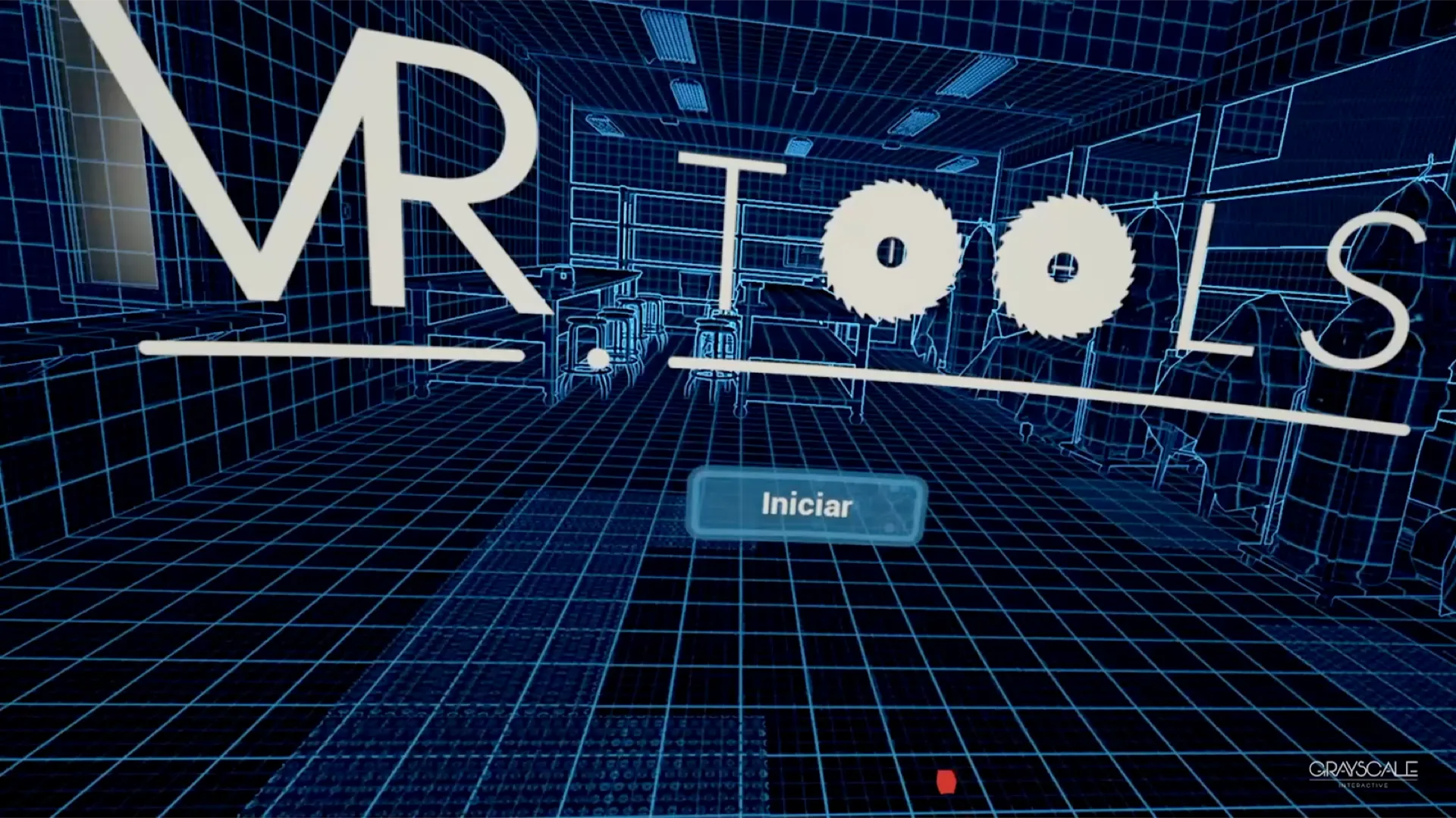

VR Tools: Safety Training Before Workshop Access
A virtual course that combines safety instruction, tool-station practice, and progress records for shared workshop access.
VIEW CASE STUDY

Production Line VR Training for New Operators
A role based VR training experience for Bosch that introduces new production line employees to their work area, then evaluates the sequence independently.
VIEW CASE STUDY